
The One-Page Heart Report: How to Prep for Better Visits
Turn scattered home vitals into a one-page, baseline-aware summary that helps cardiologists spot trends, adjust meds, and decide next steps.

Why cardiology visits go better with a one-page, baseline-aware snapshot
Home readings are powerful for remote-patient-monitoring, but most people arrive to appointments with fragmented notes, multiple apps, or weeks of screenshots. The result: time gets spent hunting for context instead of making decisions. A one-page heart report solves this by translating daily numbers into a clear story—what changed, when it changed, and whether it’s meaningful compared to your normal.
Clinicians generally don’t need every single reading. They need signal: baseline shifts (e.g., a new average BP), outliers (e.g., a sudden spike), and a short timeline of factors that explain the pattern (missed meds, poor sleep, salty meals, illness, new exercise). This kind of patient-clinician-communication supports faster shared decisions and tighter care-coordination, especially after a cardiac event or during medication titration.
If you’re using wearables, cuffs, and manual entries, the goal isn’t more data—it’s a cleaner health-records summary that makes the next step obvious.
What cardiologists actually need (and what overwhelms)
A visit-ready summary should answer three questions: (1) Where are you now vs your baseline? (2) What changed over the past 7–30 days? (3) What might explain it? In cardiology and digitalhealth workflows, the most useful elements are: a 30-day average for BP/HR/weight, a weekly trend line, the number of days measured (adherence), and a short list of notable events. Baseline-aware insights matter because a “normal” BP for one person may be a red flag for another.
What overwhelms: long tables of raw readings, mixed units, multiple device exports, and charts without dates or context. Too much noise can delay medication adjustments and dilute risk signals.
A practical template: Top panel: baseline ranges and current averages. Middle: simple trend charts for BP, resting HR, weight, activity, and symptoms. Side bar: flagged outliers and missed-measurement gaps. Bottom: timeline notes (med changes, missed doses, new stressors). This structure supports care-coordination and clean patient-clinician-communication without drowning the clinician in data.
How to build your one-page heart report in minutes (and make it shareable)
Start by consolidating data sources. Sync your cuff, wearable, and phone health platform (Apple Health/HealthKit or Google Fit), then fill gaps with quick manual entries—especially if a device misses a day. Next, choose a consistent window (often 30 days) and let the report highlight baseline shifts (e.g., a week-long upward BP drift), outliers (e.g., unusually high readings), and adherence (how often you measured). This is the difference between “numbers” and usable remote-patient-monitoring insights.
Then add context. In a timeline, note medication changes, missed doses, symptoms (palpitations, swelling, shortness of breath), sleep disruptions, alcohol/salt spikes, illness, and travel. These notes often unlock faster medication titration because they connect cause and effect.
Finally, make sharing effortless. A clinician-friendly PDF or secure link that can be sent to a caregiver—or attached to portal messages—improves health-records continuity and care-coordination. Tools like CardioBaseline Insights are designed for this workflow: they organize vitals, compare them to your personal baseline, and generate a one-page summary that keeps the visit focused on decisions, not data wrangling.
Why cardiology visits go better with a one-page, baseline-aware snapshot
Home readings are powerful for remote-patient-monitoring, but most people arrive to appointments with fragmented notes, multiple apps, or weeks of screenshots. The result: time gets spent hunting for context instead of making decisions. A one-page heart report solves this by translating daily numbers into a clear story—what changed, when it changed, and whether it’s meaningful compared to your normal.
Clinicians generally don’t need every single reading. They need signal: baseline shifts (e.g., a new average BP), outliers (e.g., a sudden spike), and a short timeline of factors that explain the pattern (missed meds, poor sleep, salty meals, illness, new exercise). This kind of patient-clinician-communication supports faster shared decisions and tighter care-coordination, especially after a cardiac event or during medication titration.
If you’re using wearables, cuffs, and manual entries, the goal isn’t more data—it’s a cleaner health-records summary that makes the next step obvious.
What cardiologists actually need (and what overwhelms)
A visit-ready summary should answer three questions: (1) Where are you now vs your baseline? (2) What changed over the past 7–30 days? (3) What might explain it? In cardiology and digitalhealth workflows, the most useful elements are: a 30-day average for BP/HR/weight, a weekly trend line, the number of days measured (adherence), and a short list of notable events. Baseline-aware insights matter because a “normal” BP for one person may be a red flag for another.
What overwhelms: long tables of raw readings, mixed units, multiple device exports, and charts without dates or context. Too much noise can delay medication adjustments and dilute risk signals.
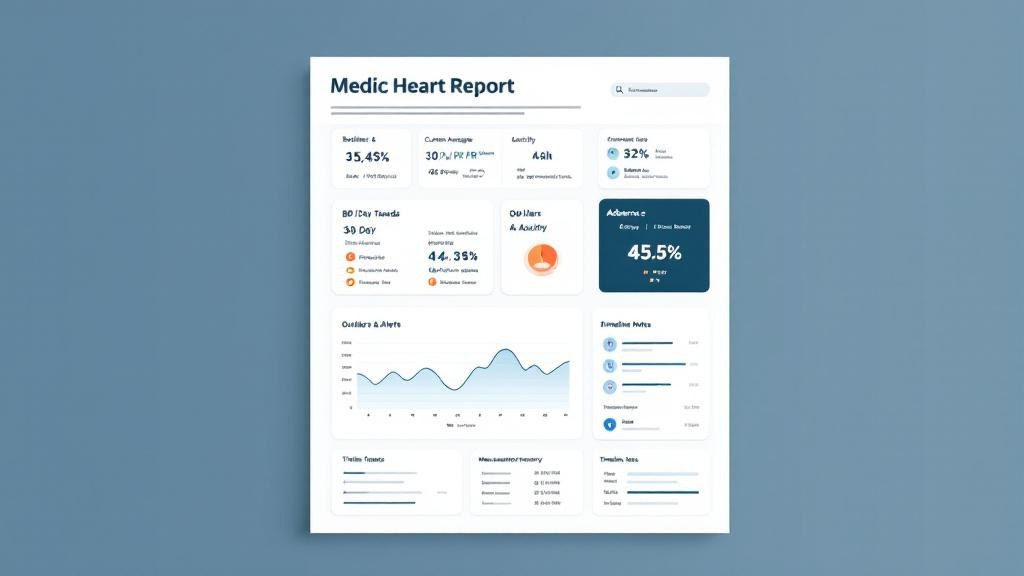
A practical template: Top panel: baseline ranges and current averages. Middle: simple trend charts for BP, resting HR, weight, activity, and symptoms. Side bar: flagged outliers and missed-measurement gaps. Bottom: timeline notes (med changes, missed doses, new stressors). This structure supports care-coordination and clean patient-clinician-communication without drowning the clinician in data.
How to build your one-page heart report in minutes (and make it shareable)
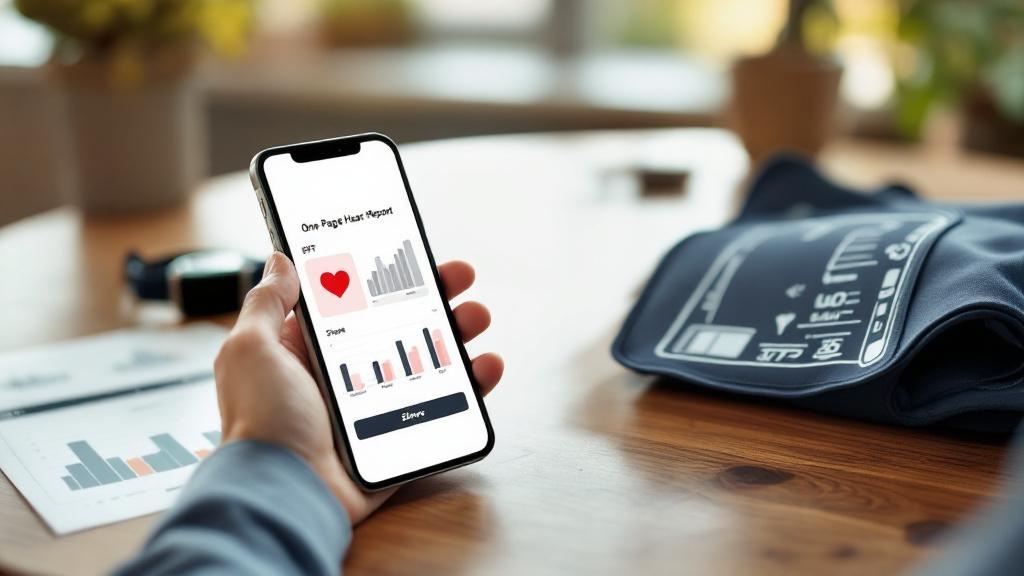
Start by consolidating data sources. Sync your cuff, wearable, and phone health platform (Apple Health/HealthKit or Google Fit), then fill gaps with quick manual entries—especially if a device misses a day. Next, choose a consistent window (often 30 days) and let the report highlight baseline shifts (e.g., a week-long upward BP drift), outliers (e.g., unusually high readings), and adherence (how often you measured). This is the difference between “numbers” and usable remote-patient-monitoring insights.
Then add context. In a timeline, note medication changes, missed doses, symptoms (palpitations, swelling, shortness of breath), sleep disruptions, alcohol/salt spikes, illness, and travel. These notes often unlock faster medication titration because they connect cause and effect.
Finally, make sharing effortless. A clinician-friendly PDF or secure link that can be sent to a caregiver—or attached to portal messages—improves health-records continuity and care-coordination. Tools like CardioBaseline Insights are designed for this workflow: they organize vitals, compare them to your personal baseline, and generate a one-page summary that keeps the visit focused on decisions, not data wrangling.